

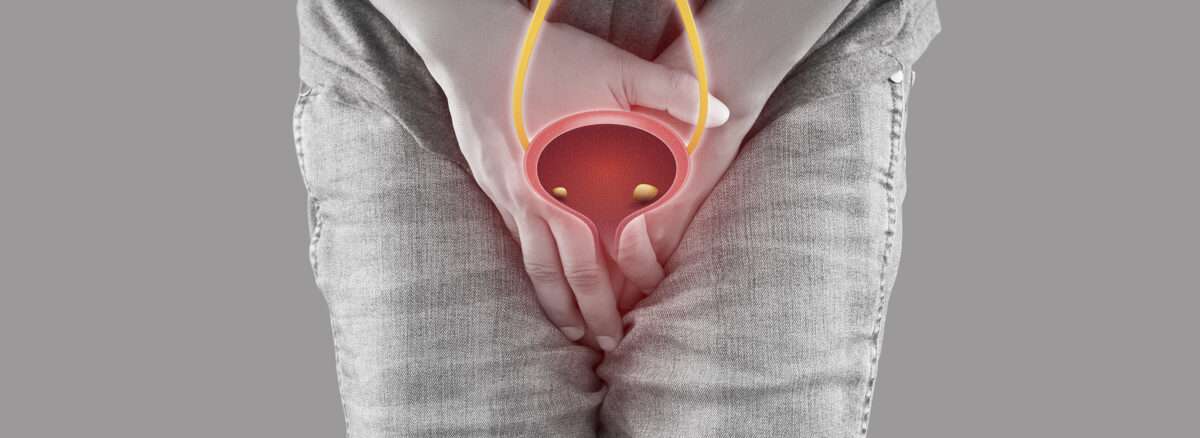
The urethra is the name of the tube that exits the bladder and mediates the discharge of urine out of the body. This structure usually has the width necessary for the normal flow of urine. However, in some cases, stenosis of the urethra may occur and the urinary flow may be interrupted. This condition is called urethral stricture. Urethral stricture is generally more common in men than women. You can follow the rest of the article to get more information about urethral stenosis.
What is Urethra Stenosis?
Urethral stenosis refers to the formation of stenosis in the urinary tract structure called the urethra for various reasons. The cause of urethral stricture may be due to damage to this structure due to edema, previous operations, trauma or infection. The stenosis caused by these conditions in the urethra can slow down or completely interrupt the flow of urine through the tube. In urethral stricture, which manifests itself with difficulty in urination, pain also occurs. Men over the age of 55 are the group most commonly affected by urethral stricture. Urethral stricture is a more common condition in men, but it should be kept in mind that it can also occur in women.
What Causes Urethra Stenosis?
There are many different conditions that can result in a urethral stricture. In some patients, the underlying cause of this condition may never be fully elucidated. In general, urethral stricture is divided into four groups. The causes of urethral stricture, which are grouped as iatrogenic, idiopathic, inflammatory and traumatic, can be summarized as follows:
IATROGENIC URETHRAL STRICTURE
The word iatrogenic is used to describe undesirable situations that occur during or as a result of medical practices. After any intervention involving the urethra or the use of a medical device, damage and edema occur and result in stenosis is called iatrogenic urethral stricture. For this reason, before any interventional procedure, it is recommended to exchange ideas with physicians about undesirable conditions that may occur as a result of the procedure and how these conditions can be controlled.
The procedure known as transurethral resection of the prostate (TURP) is one of the interventional procedures in which damage to the urethra may occur during its implementation. As for TURP, there is an increased risk of iatrogenic urethral stenosis during cystoscopy applications to examine the bladder and endoscopic interventions to the kidney. At the same time, care should be taken as long-term use of urethral catheters may result in urethral stricture.
CAUSES OF TRAUMATIC URETHRA Stricture
Damage to the urethra may occur as a result of various injuries. The symptoms of urethral stricture caused by this reason begin to show themselves after recovery. Especially pelvic bone fractures and traumas to the genital area are among the risky injuries for the development of urethral stenosis. The development of urethral stricture that occurs in this way may take months or years. During this period, while people do not have complaints about urination for a certain period of time, various symptoms occur with the occurrence of stenosis.
IDIOPATIC URETHRA Stricture
The word idiopathic is used to describe cases where the underlying cause of the condition is unknown. In some people, the reason why urethral stricture occurs despite various examinations and procedures cannot be understood and this situation is defined as idiopathic urethral stricture.
REASONS OF INFLAMMATORY (INHALED) URETHRA Stricture
Various ailments may trigger the development of stenosis by causing inflammation in the urethra structure. There are many health problems that develop stenosis in the urethra with inflammation. The stenosis that develops as a result of these situations can be temporary, or it can become permanent by continuing for a long time.
Various cancers and applications for cancer treatment are among the reasons for the development of urethral stricture in this way. Inflammation in the urethra can also occur due to various infections. Various sexually transmitted infectious diseases, especially gonorrhea, known as gonorrhea, can cause inflammation in the urinary tract and cause the development of stenosis. During the course of lichen sclerosus, which is a rare skin problem, urethral stricture may occur. This disease, which is usually seen in women, is characterized by white patchy lesions, especially on the genital skin surface. It causes complaints such as pain, itching and thinning of the skin.
As a result of conditions such as prostatic hyperplasia, infection, irritation or cancer affecting the prostate, urinary flow passing from the middle of this gland to the urethra may be interrupted. The main problem in cases of urethral stricture that occurs in this way is not a problem in the urethra, but the pressure of the surrounding prostate gland on this tube structure.
In addition to such situations, it should be kept in mind that there are also rare cases of congenital congenital urethral stenosis.
What are the Symptoms of Urethra Stenosis?
Urethral stricture can cause the development of many complaints. The severity of the symptoms can vary. The symptoms that may occur with the development of urethral stricture in a person can be summarized as follows:
Weakening of the urine stream or a decrease in the volume of urine excreted,
Sudden urge to urinate
Feeling that the bladder has not been fully emptied after urination,
intermittent urination,
Pain or burning sensation during urination,
Urinary incontinence called incontinence,
Pain in the lower abdomen and genital area,
discharge from the urethra,
Edema of the penis
blood in the urine,
darkening of urine color,
Loss of the ability to urinate in severe cases.
Symptoms resulting from urethral stricture are usually more intense in men. This is due to the significantly longer urethra length in men than in women. A longer urethra acts as a predisposing factor to both trauma and other inflammatory conditions.
How is Urethra Stenosis Diagnosed?
After applying to health institutions with urethral stricture and various symptoms, physicians first perform physical examination and medical history taking. What the complaints are, when they started, and the conditions that cause changes in these symptoms are among the factors questioned during history taking. In male patients, penile examination is performed for the presence of visible trauma or infection in the urethra.
In addition to physical examination and medical history taking, examinations such as ureteroscopy, retrograde urethrography or computerized tomography (CT) or magnetic resonance imaging (MRI) can be applied to clarify the problems occurring in the urethra.
What Is The Treatment Of Urethral Stenosis?
It is decided which method to be preferred for the treatment of urethral stricture, in which region the stenosis occurs, the complaints it creates and the general health status of the person. In cases where the complaints occur quite mildly, the patient can be followed up without any intervention, with the thought that the healing process continues. However, in some cases, the severity of the complaints may follow an intense course. In such cases, especially in the case of urinary retention, the leakage of urine into the kidneys rather than out of the body is detected, the first procedure applied is the placement of a medical device called a suprapubic catheter. In this procedure, in which the suprapubic method is preferred due to the stenosis and edema in the urethra, the catheter is placed in the bladder from the lower abdomen, not from the urethra.
Apart from this application, gradual enlargement of the urethra by means of various medical tools or surgical removal of the stricture in the urethrotomy operation performed with laser are among the other treatment methods that can be applied. However, in some cases, results may not be obtained despite all these attempts. In such cases, controlling the urethral stricture with open surgery may come to the fore.
Urethral stricture is a condition that can cause significant problems with urination function. Therefore, if you observe the symptoms of urethral stricture in yourself, it is recommended that you apply to the nearest health institution and get support from specialist physicians.